
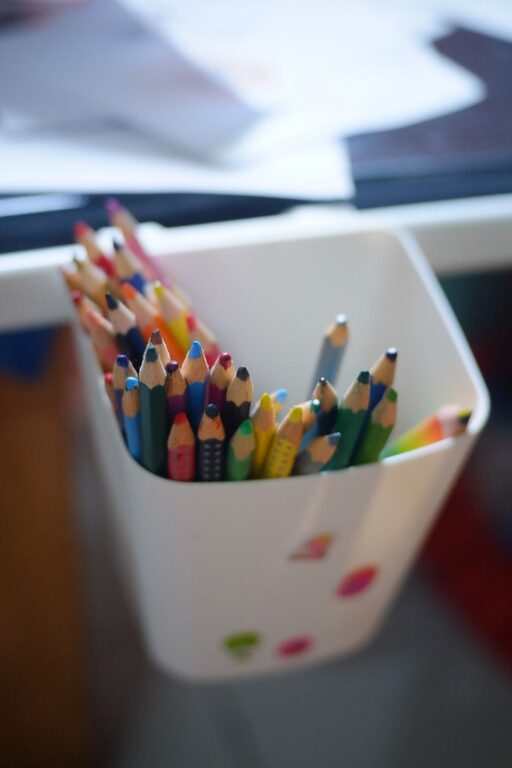
Children’s art is a wonderful way to see their creativity and imagination come to life. From colorful paintings to craft projects, these creations bring joy and pride to both kids and parents. However, as the artwork piles up, it can become challenging to keep it organized without turning your home into a clutter zone.
If you’re looking for effective ways to manage and preserve your kids’ masterpieces, you’ve come to the right place. Below, we share practical tips to help you organize children’s art in a way that’s both functional and fun.
Why Organizing Kids’ Art Matters
Organizing your child’s artwork helps in several ways:
– Preserves memories: Keeping art organized allows you to look back on your child’s development and creativity.
– Reduces clutter: Managing the collection avoids overwhelming your living space.
– Encourages creativity: Displaying and storing art properly can inspire kids to keep creating.
– Builds organization skills: Getting children involved teaches them responsibility for their belongings.
Tips to Keep Kids’ Art Organized
1. Set Up a Dedicated Art Space
Create a specific area in your home where your kids can freely create and display their artwork. This could be a corner of a room, a bulletin board, or a wall with clipboards or string and clothespins. Having a designated spot helps manage where new pieces go and makes it easier to see and enjoy them.
2. Use Storage Containers
Invest in clear plastic bins, folders, or portfolios labeled by year or child’s name. These containers are great for flat artwork and keep pieces protected from damage. Be sure to regularly sort through these bins to remove any items that are damaged or no longer meaningful.
3. Create an Art Display Rotation
Instead of trying to display every piece of art, set up a rotating gallery. Choose a few favorites to showcase for a week or a month, then swap them out with new creations. This keeps the display fresh and allows your child to feel proud of having their work featured.
4. Digitize the Art Collection
Taking photos or scanning artwork is a fantastic way to preserve every piece without physical clutter. You can create digital albums or photo books that make it easy to revisit and share your child’s progress over time. Apps designed for organizing kids’ artwork can streamline this process.
5. Make Art Books or Portfolios
Compile your favorite pieces into annual art books or portfolios. This can be a fun project to do with your child, letting them pick their best work. These keepsakes are easy to store on bookshelves and make great gifts for family members.
6. Recycle and Repurpose
Teach your children about recycling by using older artwork for gift wrap, cards, or craft projects. This can help reduce the volume of art stored and encourages creativity in a new form.
7. Establish Rules and Limits
Set clear guidelines about how much artwork you keep. For instance, decide to keep only a certain number of pieces per month or school year. Involving your child in these decisions helps them understand the value of organizing and making choices.
8. Label Artwork
Always label artwork with the date and any special notes about the project or the inspiration behind it. This makes it easier to organize and adds sentimental value when looking back later.
Getting Kids Involved
Organizing art doesn’t have to be a solo task. Involve your children to teach them about responsibility and pride in their work. Here are some ways to encourage their participation:
– Let them choose which pieces to display or keep.
– Create a “gallery curator” role where they manage the art space.
– Use organizing time as an opportunity to talk about their creative process.
– Turn cleanup into a fun game or challenge.
Maintaining Your Art Organization System
Once you have set up your organization system, consistency is key. Schedule regular times—monthly or quarterly—to review new art, update displays, and refresh storage. This practice keeps the system manageable and prevents buildup.
Bonus Tips
– Use magnetic boards or corkboards for flexible display.
– Store 3D art projects on dedicated shelves or in labeled boxes.
– Communicate with teachers to collect and organize school art efficiently.
– Consider a scrapbook or journal for small, mixed-media projects.
Final Thoughts
Organizing your kids’ artwork doesn’t need to be overwhelming. With a little planning and the right tools, you can create a system that honors their creativity while keeping your home tidy. Remember, the goal is to celebrate your child’s artistic journey in a way that’s enjoyable for the whole family.
By implementing these tips, you’ll not only keep artwork organized but also create lasting memories that you and your children will cherish for years to come. Happy organizing!
