
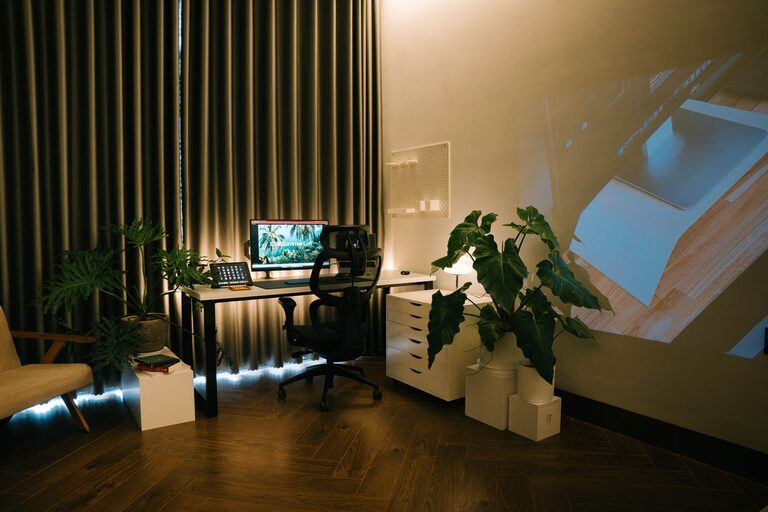
Creating a relaxing home workspace is essential for anyone working from home or spending long hours at a desk. A calm and comfortable environment can improve focus, reduce stress, and increase overall productivity. Whether you have a dedicated room or a small corner, there are several ways to transform your workspace into a soothing area that supports your work and well-being.
Why a Relaxing Workspace Matters
Your workspace greatly influences your mood and efficiency. A cluttered, noisy, or uncomfortable area can distract you and cause frustration. On the other hand, a peaceful and well-organized space helps you settle into your tasks, making work less stressful and more enjoyable.
Steps to Create a Relaxing Home Workspace
1. Choose the Right Location
Pick a spot in your home that feels quiet and has good natural light if possible. Natural light can improve your mood and reduce eye strain. Avoid high-traffic areas or locations with frequent distractions. If space is limited, a well-organized corner in a living room or bedroom can work well.
2. Declutter and Organize
A clean workspace instantly feels more relaxing. Clear away unnecessary items and keep only what you regularly use. Use shelves, drawers, or organizers to store supplies neatly. Regularly tidying your space can help maintain a calm atmosphere and prevent distractions.
3. Invest in Comfortable Furniture
Comfort is key to maintaining focus throughout the day. Choose a chair that supports good posture and a desk at the right height. Consider ergonomic options to avoid strain on your back and wrists. Adding a soft cushion or a footrest can increase comfort.
4. Personalize Your Space
Add personal touches that make you feel happy and relaxed. This might include plants, artwork, photographs, or decorative items. Plants, in particular, add a touch of nature and can boost your mood and air quality.
5. Use Soothing Colors and Lighting
Colors affect how we feel. Soft, neutral tones like light blues, greens, or creams create a relaxing environment. Avoid overly bright or harsh colors in your workspace.
For lighting, complement natural light with warm, adjustable lamps. Avoid harsh overhead lights that can cause headaches or eye strain. Task lighting focused on your work area is helpful.
6. Minimize Noise and Distractions
If noise is an issue, consider noise-cancelling headphones or white noise machines to block out distractions. You can also use apps or playlists with calming music or nature sounds to help maintain concentration.
7. Incorporate Break Areas
If space allows, include a small area for breaks. This can be a comfortable chair or a floor cushion where you can stretch, read, or relax away from your desk. Taking regular breaks in a different spot helps refresh your mind.
8. Manage Technology Wisely
Organize cables with clips or cable sleeves to avoid a tangled mess. Keep your devices charged and within easy reach but avoid overcrowding your desk with technology you don’t need regularly.
9. Set Boundaries and Routine
Create clear work hours and communicate boundaries with family or roommates to reduce interruptions. Having a routine for starting and ending your workday helps maintain a healthy work-life balance.
Tips for Maintaining a Relaxing Workspace
– Regularly clean and declutter your space.
– Update your decor occasionally to keep the area fresh and inspiring.
– Adjust your setup as needed to improve comfort and efficiency.
– Practice mindfulness or deep breathing exercises at your desk to reduce stress.
– Stay hydrated and keep a water bottle nearby.
Conclusion
Designing a relaxing home workspace doesn’t require much money or space. By focusing on comfort, organization, lighting, and personalization, you can create an environment that supports your work and well-being. A calm workspace can help you feel more focused, less stressed, and more motivated to tackle your daily tasks. Start making simple changes today and enjoy the benefits of a peaceful home office.
